


Bandfall vs Full Wig: Which Is Right for You?
Bandfall vs Full Wig: Which Is Right for You?
Choosing your first hairpiece a bandfall vs full wig— or switching to a new style — can feel overwhelming. One of the questions we're asked most often at our Hendon salon is a simple but important one: do I need a bandfall, or a full wig? Both can look completely natural. The right choice comes down to how much coverage you need, how you like to wear your hair, and your lifestyle. Here's everything you need to know to decide with confidence.
What Is a Bandfall?
A bandfall — also called a ¾ wig or a fall — covers the back and crown of your head while leaving your own front hairline exposed. It's attached to a comfortable band that slips on in seconds, with no glue and no lace. You simply blend your own front hair with the piece, or wear it with a headband, scarf or hat.
Because it isn't a full head of hair, a bandfall is lighter, cooler and more affordable than a full wig, and quicker to put on. Many of our customers reach for one when they want to add instant length and volume without the commitment of a complete wig. There's also a close cousin — the hatfall — designed specifically to be worn beneath a hat or beret, so the hair falls naturally below the brim.
What Is a Full Wig?
A full wig covers your entire head, giving you a complete head of hair regardless of how much of your own hair you have. This makes it the most versatile and complete option. Full wigs come in different cap constructions, each with its own strength:
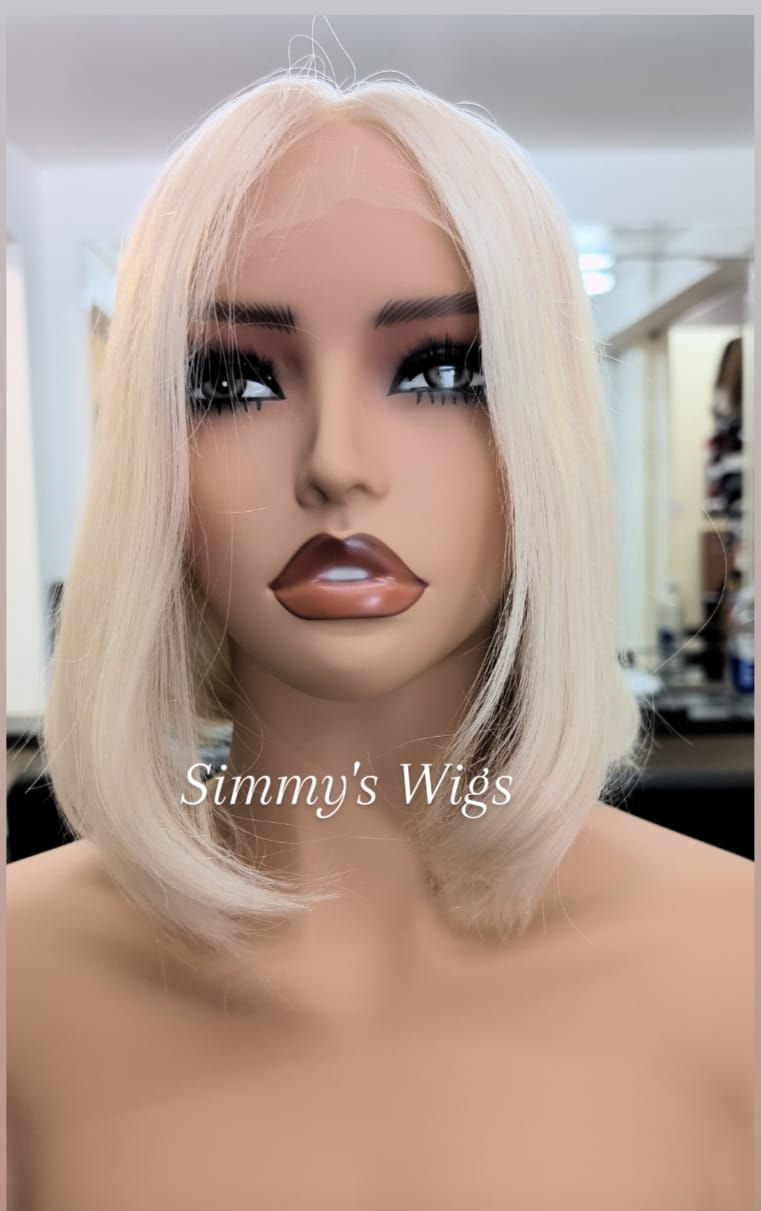
A lace front has a sheer lace edge that creates an undetectable, natural-looking hairline you can style off the face. A skin top (or silk top) features a realistic scalp-like parting that looks exactly like hair growing from your own skin. Both are cut and styled to frame your face, and — because they cover everything — they don't rely on any of your own hair showing.
Full wigs offer the most coverage and the most styling freedom, which is why they're the natural choice for total hair loss, and for anyone who wants their hairpiece to stand entirely on its own.
The Key Differences at a Glance
Bandfall (¾ / fall) | Full Wig | |
Coverage | Back & crown only | Entire head |
Uses your own hair? | Yes — front hairline shows | No — covers everything |
Worn with a hat/scarf? | Often (ideal for it) | Optional |
Weight & warmth | Lighter, cooler | Fuller, warmer |
Styling freedom | Good | Greatest |
Price | More affordable | Higher |
Best for | Partial coverage, quick wear, hat/scarf wearers | Total coverage, hair loss, standalone wear |
When a Bandfall Is the Right Choice
A bandfall tends to suit you if:
You still have your own front hairline and are happy to blend it through.
You regularly wear a hat, headscarf or headband — a bandfall or hatfall sits beautifully underneath.
You want to add length and fullness quickly, without a full wig.
You're looking for a lighter, cooler and more budget-friendly option.
You have thinning at the back or crown rather than all over.
When a Full Wig Is the Right Choice
A full wig is usually the better fit if:
You want complete coverage that doesn't depend on your own hair.
You're experiencing significant or total hair loss or alopecia.
You want the most natural hairline (a lace front) or the most realistic parting (a skin top).
You'd like maximum freedom to style, part and wear your hair in different ways.
You prefer one piece that stands entirely on its own.
A Note for Sheitel Wearers
For married women covering their hair, both options have a place. Many wear a full sheitel for the most complete, natural look. Others prefer a bandfall or hatfall worn with a hat, snood or headscarf for everyday ease. We specialise in 100% European human hair for both, which many of our customers choose for its natural movement and for kashrus peace of mind. Whichever route suits your covering, we'll help you find something you feel completely yourself in.
A Note on Hair Loss & Alopecia
If you're navigating hair loss, please know there's no wrong choice — only the one that's right for you. As a proud Alopecia UK partner with 25 years of experience, we've helped many women through exactly this decision with warmth and total discretion. For more advanced hair loss, a full wig usually gives the coverage and confidence you're after, but we'll always talk it through gently and never rush you.
Still Not Sure? Let's Find Out Together
The truth is, the best way to decide is to try. Everything we sell comes with a free, unhurried consultation and fitting at our Hendon salon, where you can feel the difference between a bandfall and a full wig, see how each looks on you, and get honest advice with no pressure to buy. Before you visit, it helps to measure your head using our simple size guide.
Book a free fitting today, or call us on 020 8202 5263. We're at 8 Parson Street, Hendon, London NW4 1QB.
Frequently Asked Questions
Is a bandfall cheaper than a full wig? Yes — because a bandfall covers only the back and crown rather than your whole head, it generally costs less than a full wig, making it a popular, budget-friendly option.
Can I wear a bandfall on its own, without a hat or scarf? You can, as long as you're happy to blend your own front hairline with the piece. If you'd rather not show any of your own hair, a full wig is the better choice.
Which looks more natural? Both can look completely natural when fitted and cut properly. A full wig with a lace front gives the most undetectable hairline; a bandfall relies on blending with your own front hair, which looks seamless when done well.
Which is best for alopecia or total hair loss? A full wig is usually best for significant or total hair loss, as it provides complete coverage without relying on any of your own hair. We'll help you find the right fit during a private consultation.
Can you cut and style either one for me? Absolutely. Whether you choose a bandfall or a full wig, our specialists cut, shape and style it on you in person during your visit, so it suits your face and sits comfortably and securely.



Comments